Email Support

info@frimaparts.com

Call Support

0574-83073957

Work Hour

Mon - Fri 08:00 - 17:00

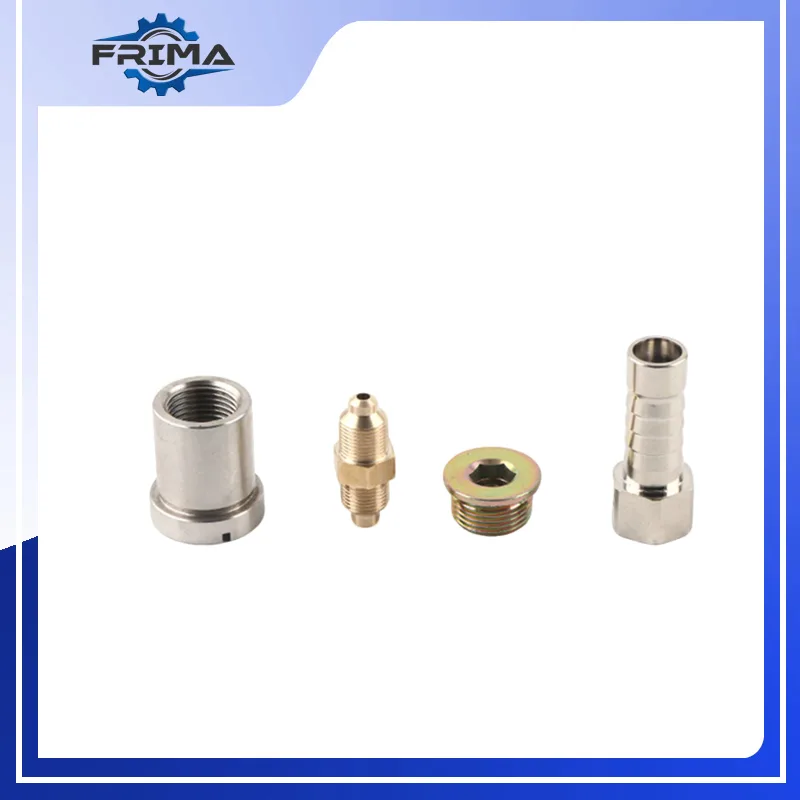
CNC Precision Small Metal Parts Turning

CNC Precision Small Metal Parts Turning

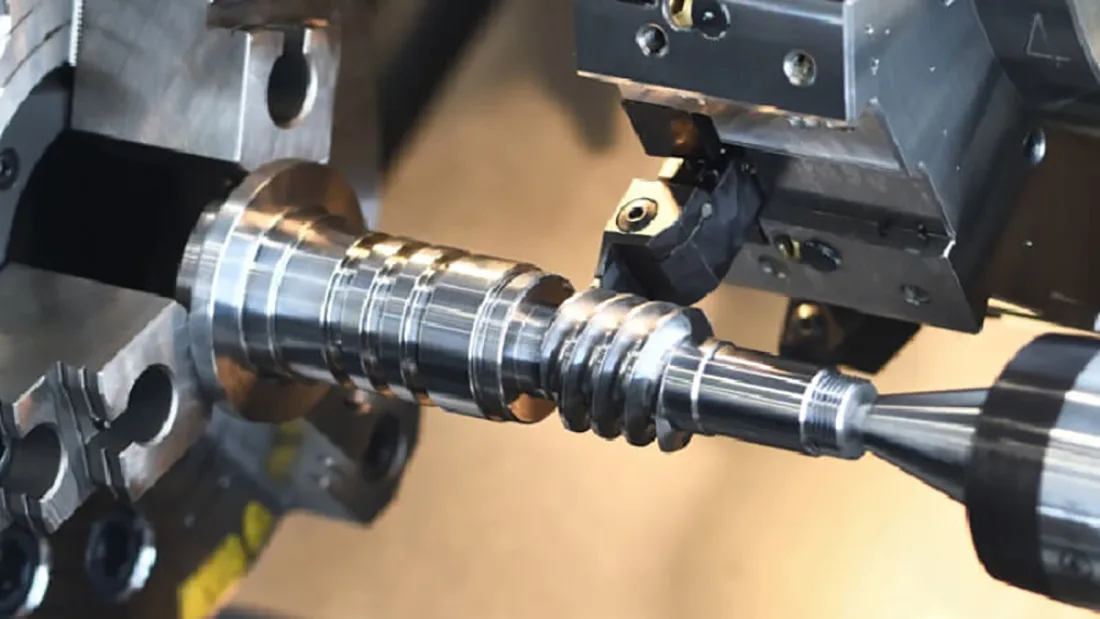
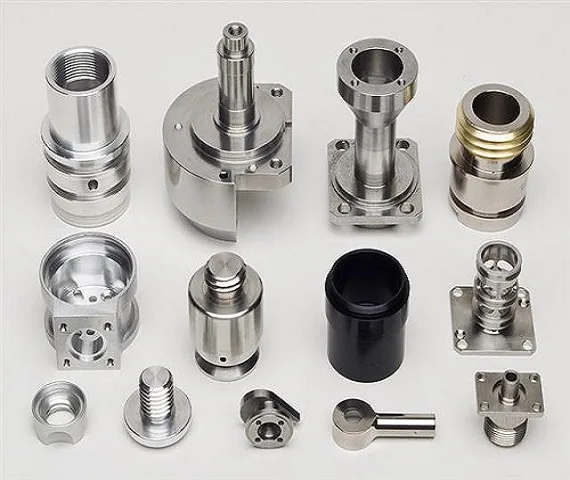
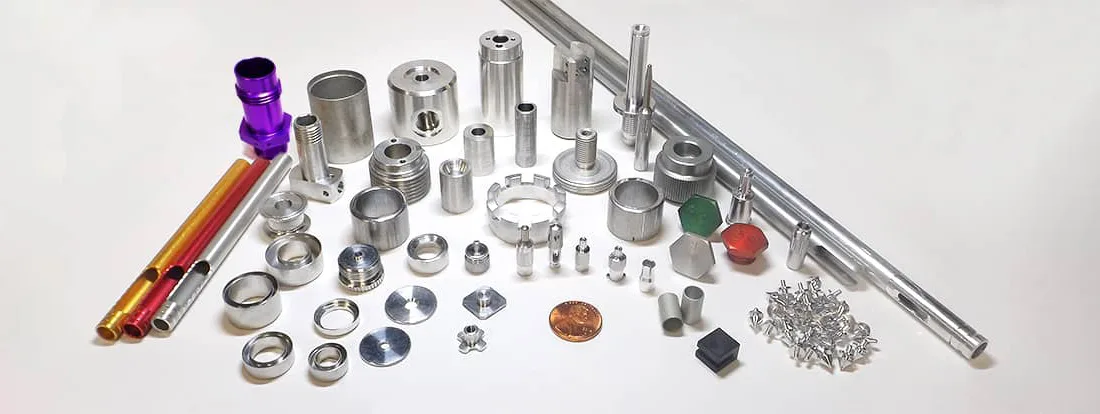
FRIMA Manufactory is a leading manufacturer and supplier of CNC precision small metal parts turning in China, and FRIMA also focuses on the development of product technology. From concept to production our design and engineer teams along with our customer experience group are with you every step of the way.

CNC precision small metal parts Turning are widely utilized in automotive fuel systems, medical implants, electronic connectors, and precision aerospace mechanisms. These applications impose nearly exacting demands regarding precision, consistency, and reliability. Through micron-level machining precision and rigorous process control, FRIMA ensures that every micro-component reliably fulfills its critical mission.
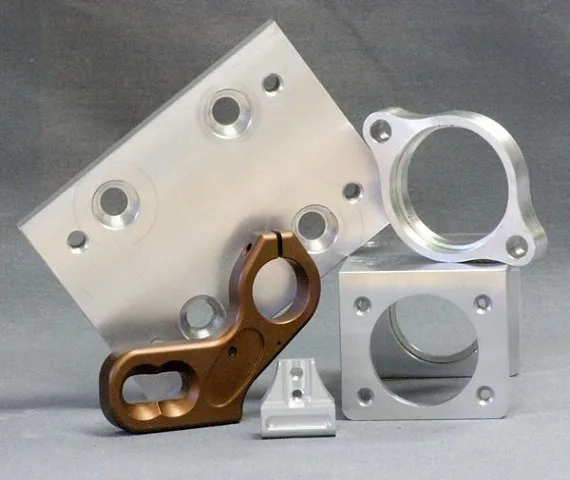
Aluminum CNC Milling Parts (3)

Product Core Capabilities

Capability Item FRIMA Parameters
Minimum Machining Diameter φ0.5mm (Can be further reduced depending on material and geometry)
Maximum Machining Diameter φ80mm
Machining Precision ±0.005mm (Metal parts)
Surface Roughness Ra 0.8μm (Standard); can be improved to Ra 0.4μm
Batch Consistency CPK ≥ 1.33; Level 3 PPAP documentation available
Equipment Configuration 20 CNC Lathes + 8 Swiss-type Lathes + 4 Turn-Mill Centers

FRIMA Customer Case: How Does FRIMA Help Clients Achieve Cost Reduction and Efficiency Gains?

Case 1: Automotive Fuel System Micro-Nozzles
Part Dimensions: φ1.2mm × 8mm; Inner Bore: φ0.6mm
Client Pain Point: The original supplier’s yield rate was only 85%; defective batches frequently necessitated rework on the final assembled units.
FRIMA Solution: Optimized tool selection and cutting parameters; improved process capability (Cpk) to 1.33; stabilized the yield rate at over 98%.
Client Benefits: Reduced overall costs by 22%; shortened lead time to 7 days.

Case 2: Medical Puncture Needle Assemblies
Part Material: Stainless Steel 316L; Surface Finish: Ra ≤ 0.4μm
Client Pain Point: Surface finish consistency was unstable across multiple suppliers, hindering product registration and approval.
FRIMA Solution: Introduced a precision grinding process to achieve a stable surface finish output of Ra 0.32μm; provided comprehensive inspection reports.
Client Benefits: Successfully passed the product registration audit on the first attempt; became the client’s preferred supplier.

Case 3: Electronic Connector Micro-Terminals
Volume Requirement: 500,000 units/month
Client Pain Point: Unstable delivery lead times frequently disrupted the production schedule for the final assembled units.
FRIMA Solution: Dedicated specialized machinery was deployed, equipped with automated feeding systems and in-line inspection capabilities, achieving a daily production capacity of 30,000 units.
Client Benefits: Stabilized lead times within 10 working days; enabled the client to implement a “zero inventory” management strategy.
FRIMA’s 6 Machining Tips

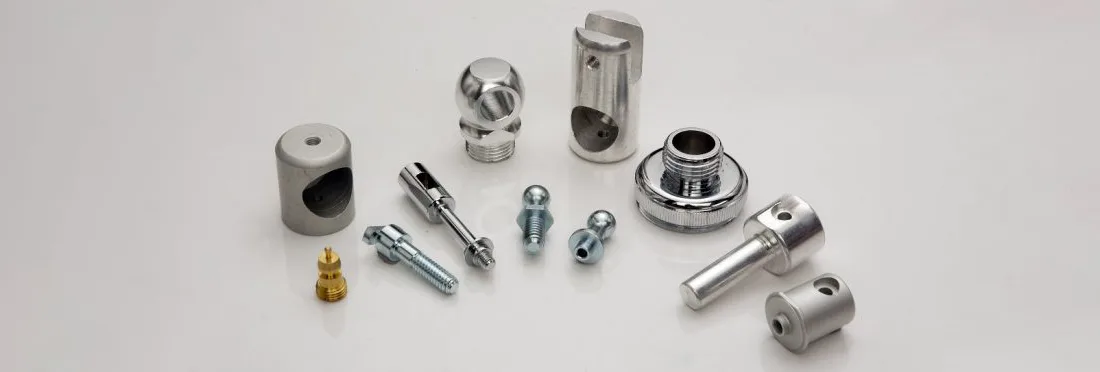
In the realm of precision turning, the processing of “CNC precision small metal parts” demands an exceptionally high level of attention to process details. Drawing upon years of practical experience, FRIMA has distilled the following six core techniques to help you achieve an optimal balance between precision and efficiency when machining small-diameter components.
1. Tool Selection: Prioritize Sharpness, Ensure Controllable Pressure
Opt for sharply ground tools paired with PVD-coated inserts. Prioritize designs featuring positive rake angles and distinct cutting edges to minimize cutting forces and prevent deformation in tiny parts. Form tools can simplify the machining process, while high-pressure coolant aids in effective chip evacuation.
Small Turned Parts 02
2. Material Selection: Balancing Machinability and Performance
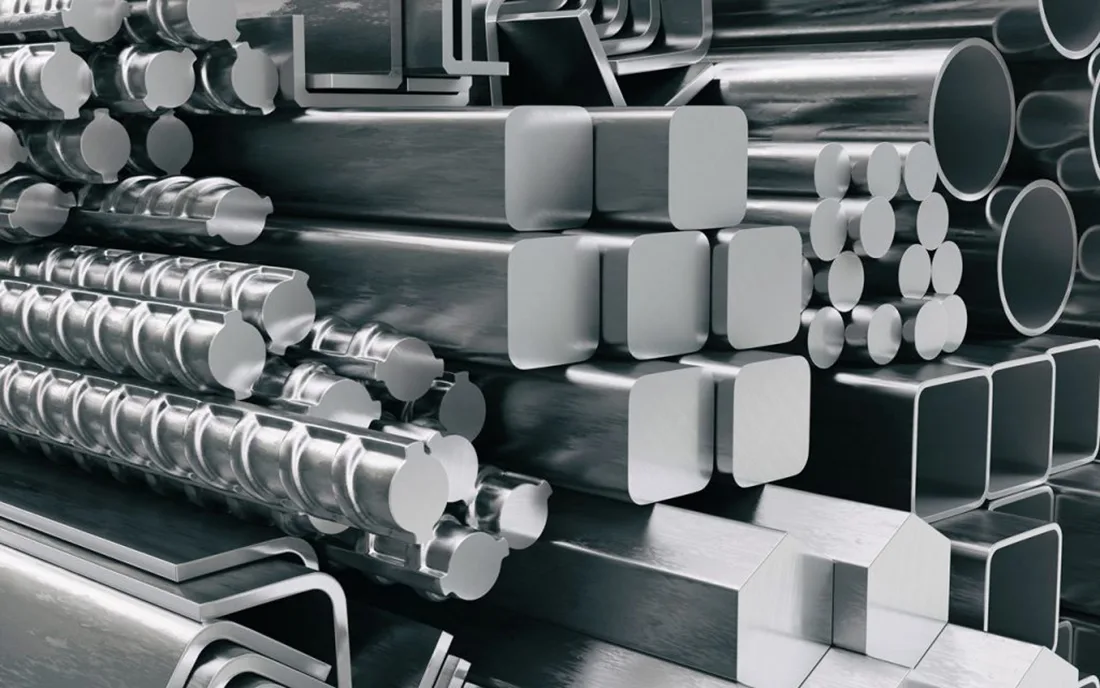
Aluminum and brass offer excellent machinability but possess limited strength; conversely, steel and titanium boast high strength but present greater machining challenges. Material selection requires a comprehensive assessment of the application environment, process compatibility, and coolant suitability to prevent part failure or spiraling production costs.
aluminum-material
3. Tolerance Control: Set Sensibly, Balance Precision with Cost
Apply tight tolerances to critical mating surfaces, while allowing for looser tolerances on non-critical features. For CNC precision small metal parts, a sensible approach to tolerance setting ensures functional integrity while effectively keeping manufacturing costs in check.
CNC Turning Part 02
4. Surface Finish: Context-Specific, Design-Driven
Internal components that remain hidden from view can typically accept a standard surface finish. External, visible components, however, require a higher degree of surface finish to enhance both aesthetic appeal and wear resistance, while simultaneously minimizing frictional losses.
reliant_aluminum
5. Threads and Grooves: Optimize Connections, Enhance Aesthetics
Thread machining ensures reliable mechanical connections, while groove design facilitates smooth surface transitions. A judicious combination of these two elements can significantly boost a part’s load-bearing capacity as well as the overall visual quality and tactile feel of the final product.
CNC Precision Machining Automotive Parts (1)
6. Wall Thickness Design: Prioritize Lightweighting, Ensure Structural Integrity
While strictly adhering to requirements for strength and durability, aim to keep wall thicknesses as thin as practically possible. This approach is not merely a prerequisite for lightweighting; it represents a fundamental strategy for achieving cost optimization when machining Small Turned Parts.
Small Turned Parts 03
Small Turned Parts 04

Newletter

High-Quality Deep Drawn Stainless Steel Parts

Looking forward to your contact with us

Let's have a chat